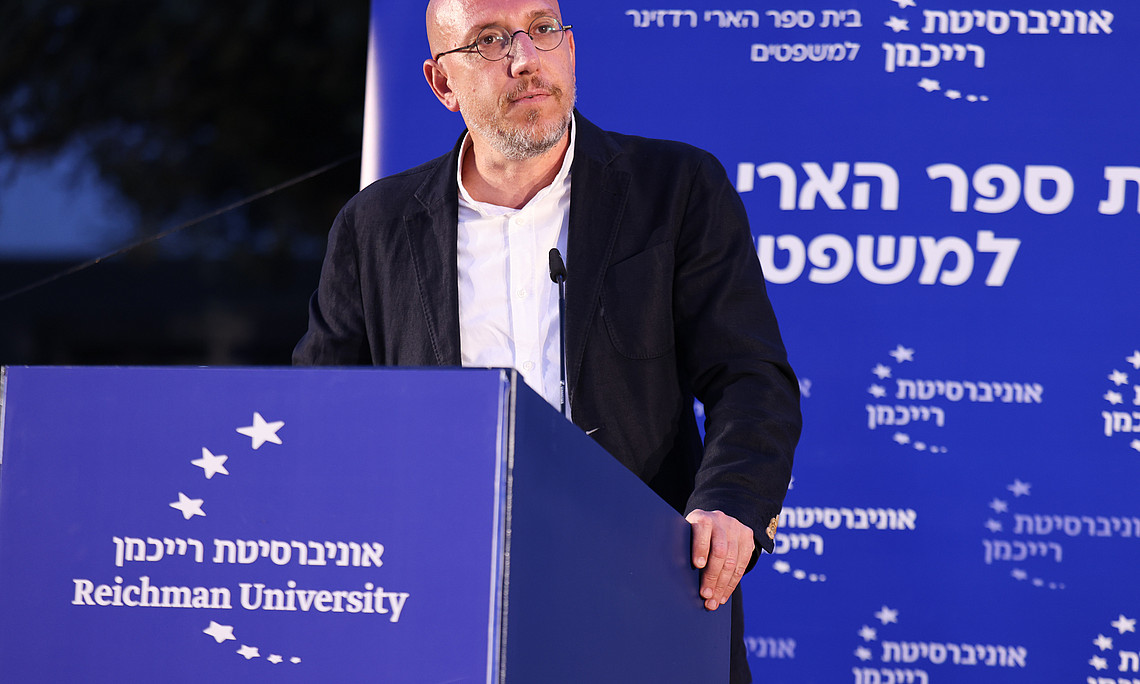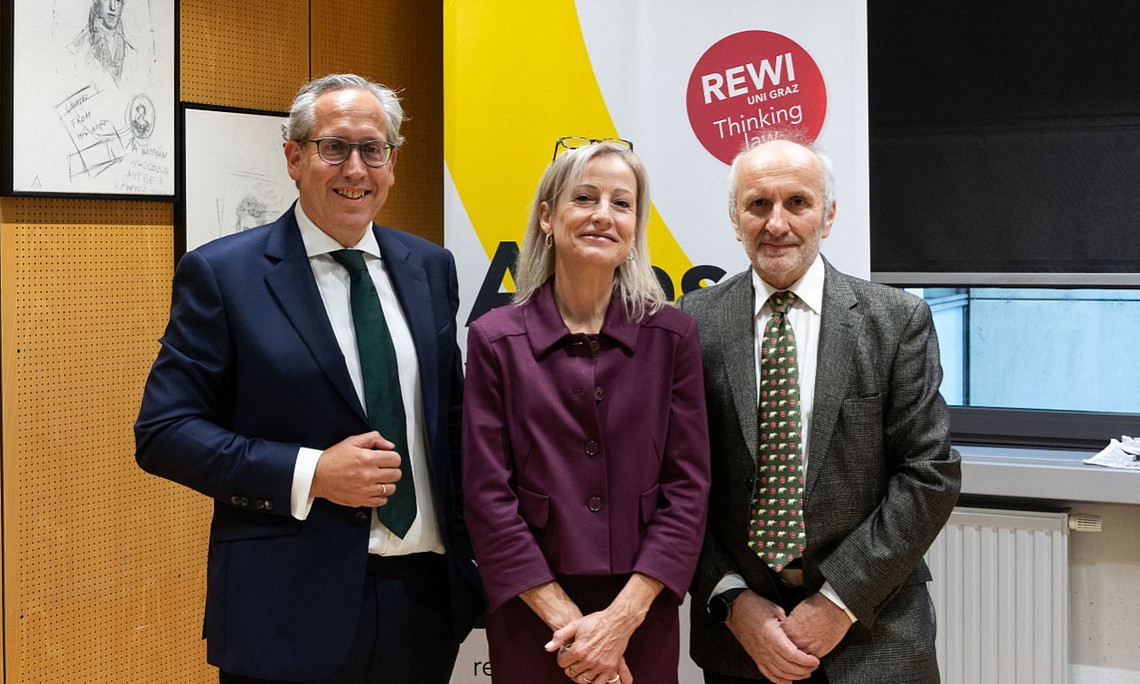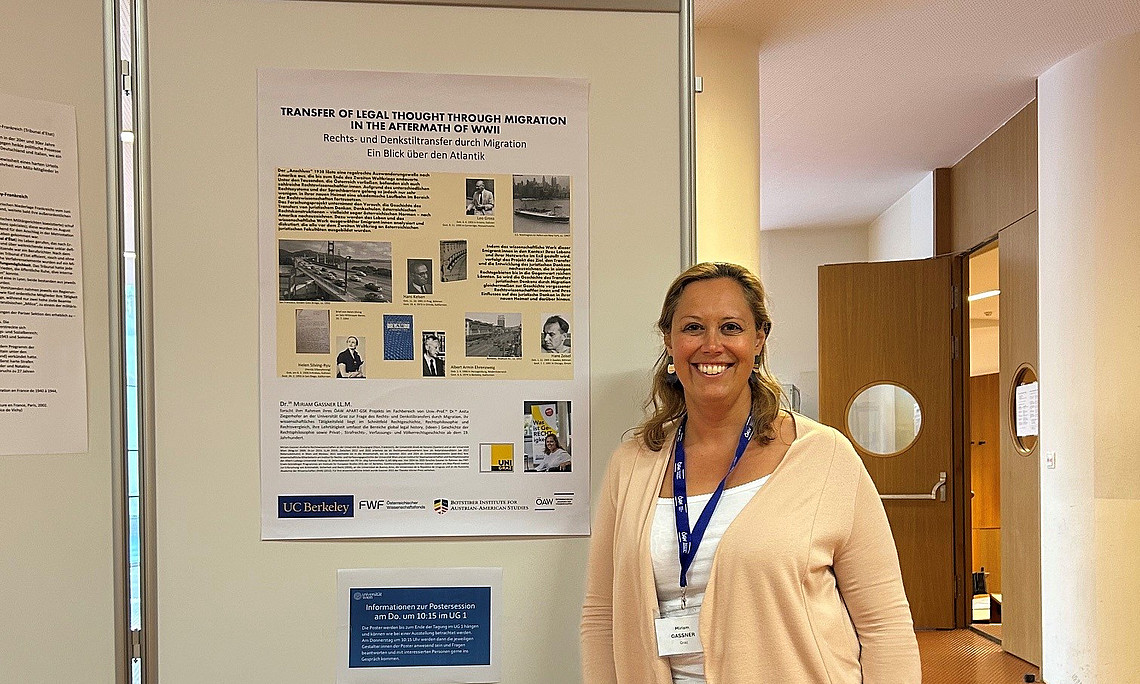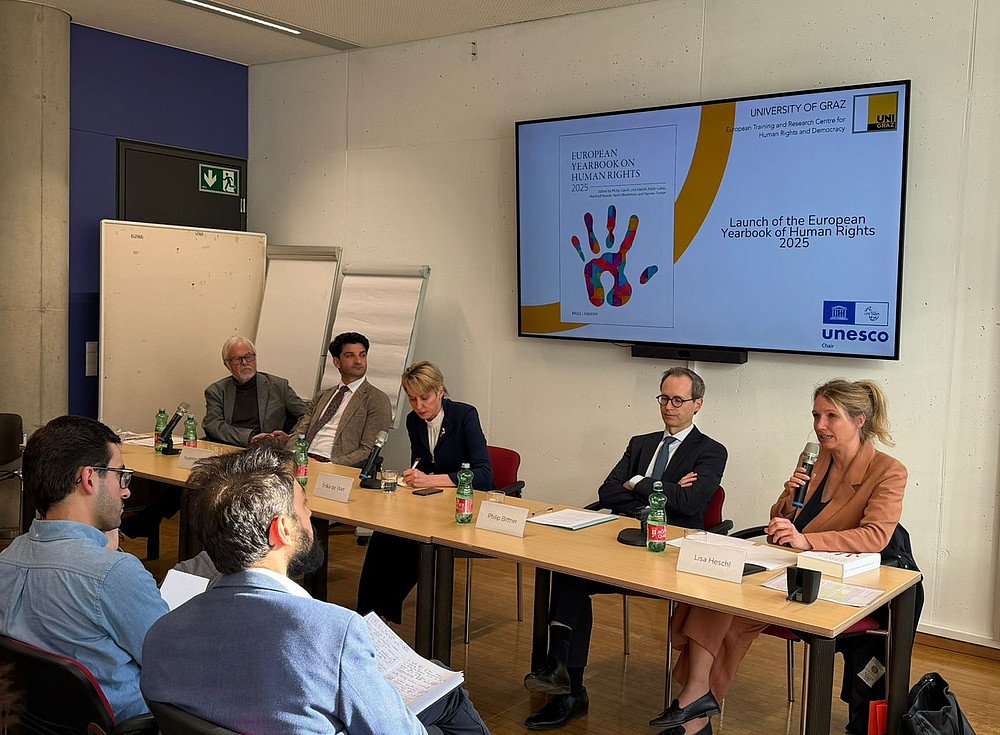
The discussion, held as part of the Heterogeneity and Cohesion Research Network (HuK-Forum), featured penalists Kushtrim Istrefi (Utrecht University School of Law), Erika de Wet (Department of International Law and International Relations, University of Graz) and Philip Bittner (Ministry for European and International Affairs) and was moderated by Wolfgang Benedek and Lisa Heschl (both Uni-ETC).
Structured to reflect international, European, and national perspectives, the panel addressed the question whether we are witnessing the decline of multilateralism or a contested transformation towards a different configuration of international law and human rights. In her contribution, Erika de Wet forcefully appealed to the younger generation to uphold international law. Emphasizing the need for Europe to “clean up its own room first”, she argued that Europe would be better advised to focus on upholding its own values and principles rather than acting in a prescriptive manner towards other world regions.
Kushtrim Istrefi argued that international law, human rights and multilateralism are deeply interrelated and must be addressed holistically. Describing the current period as one of regression in human rights, he identified populists leaders as key factors contributing to the pressure human rights are facing. At the same time, he highlighted often-overlooked positive developments, including strong civil society movements, growing interest in and success of strategic litigation and, perhaps surprisingly, recent polls demonstrating public support for human rights institutions such as the European Court of Human Rights. He also stressed the need for the human rights community to improve its communication and persuasive capacity in order to better convey the value of human rights to the general public.
Finally, Philip Bittner addressed the role of the Austrian state in the context of the decline of the rules-based order and multilaterlism. He highlighted several pressing challenges currently facing the international system, including geopolitical shifts, institutional shortcomings within the UN system, such as the veto power in the UN Security Council, the resurgence of sovereignty-based arguments or the distrust of the Global South towards international institutions. He also pointed to the unprecedented practice of states such as the United States of America deliberately acting outside international institutions and processes to undermine them, the ongoing funding crisis affecting international institutions, and the difficulty of reforming international mechanisms. Concluding with a focus on Austria, he underlined the importance of a functioning international legal order and the need for the Austrian government to insist on compliance with international norms and to speak out against their violations.
The panelists shared the view that, although international law and its institutions are under significant pressure, they are unlikely to disappear. However, how they will evolve and whether they will retain their relevance remains uncertain.
Prior to the discussion, Lisa Heschl presented the European Yearbook on Human Rights 2025, which was recently published and is available open access here.