Beginn des Seitenbereichs:
Seitenbereiche:

  • Zum Inhalt (Zugriffstaste 1)
  • Zur Positionsanzeige (Zugriffstaste 2)
  • Zur Hauptnavigation (Zugriffstaste 3)
  • Zur Unternavigation (Zugriffstaste 4)
  • Zu den Zusatzinformationen (Zugriffstaste 5)
  • Zu den Seiteneinstellungen (Benutzer/Sprache) (Zugriffstaste 8)
  • Zur Suche (Zugriffstaste 9)

Ende dieses Seitenbereichs. Zur Übersicht der Seitenbereiche

Beginn des Seitenbereichs:
Seiteneinstellungen:

Deutsch de
English en
Suche
Anmelden

Ende dieses Seitenbereichs. Zur Übersicht der Seitenbereiche

Beginn des Seitenbereichs:
Suche:

Suche nach Details rund um die Uni Graz
Schließen

Ende dieses Seitenbereichs. Zur Übersicht der Seitenbereiche


Suchen

Beginn des Seitenbereichs:
Hauptnavigation:

Seitennavigation:

  • Universität

    Universität
    • Die Uni Graz im Portrait
    • Organisation
    • Strategie und Qualität
    • Fakultäten
    • Universitätsbibliothek
    • Jobs
    • Campus
    Lösungen für die Welt von morgen entwickeln – das ist unsere Mission. Unsere Studierenden und unsere Forscher:innen stellen sich den großen Herausforderungen der Gesellschaft und tragen das Wissen hinaus.
  • Forschungsprofil

    Forschungsprofil
    • Unsere Expertise
    • Forschungsfragen
    • Forschungsportal
    • Forschung fördern
    • Forschungstransfer
    • Ethik in der Forschung
    • Kommission für wissenschaftliche Integrität
    Wissenschaftliche Exzellenz und Mut, neue Wege zu gehen. Forschung an der Universität Graz schafft die Grundlagen dafür, die Zukunft lebenswert zu gestalten.
  • Studium

    Studium
    • Studieninteressierte
    • Infos für Studierende
    • Tag der offenen Tür am 09.04.2026
    • Aufnahmeverfahren
    • Lehramt Aufnahmeverfahren
  • Community

    Community
    • International
    • Am Standort
    • Forschung und Wirtschaft
    • Absolvent:innen
    Die Universität Graz ist Drehscheibe für internationale Forschung, Vernetzung von Wissenschaft und Wirtschaft sowie für Austausch und Kooperation in den Bereichen Studium und Lehre.
  • Spotlight
Jetzt aktuell
  • Aufnahmeverfahren 2026 – alle Infos
  • Crowdfunding entdecken
  • Jetzt die "Youni"-App holen
  • Klimaneutrale Uni Graz
  • Forscher:innen gefragt
  • Arbeitgeberin Uni Graz
Menüband schließen

Ende dieses Seitenbereichs. Zur Übersicht der Seitenbereiche

Beginn des Seitenbereichs:
Sie befinden sich hier:

Universität Graz Rechtswissenschaften Neuigkeiten Our Visiting Professor Joanne Gottesman (Rutgers) on her time in Graz and why Justice Clinics are key in legal education in the USA
  • Über die Fakultät
  • Unsere Forschung
  • Studienservice
  • Stay Connected

Ende dieses Seitenbereichs. Zur Übersicht der Seitenbereiche

Montag, 05.06.2023

Our Visiting Professor Joanne Gottesman (Rutgers) on her time in Graz and why Justice Clinics are key in legal education in the USA

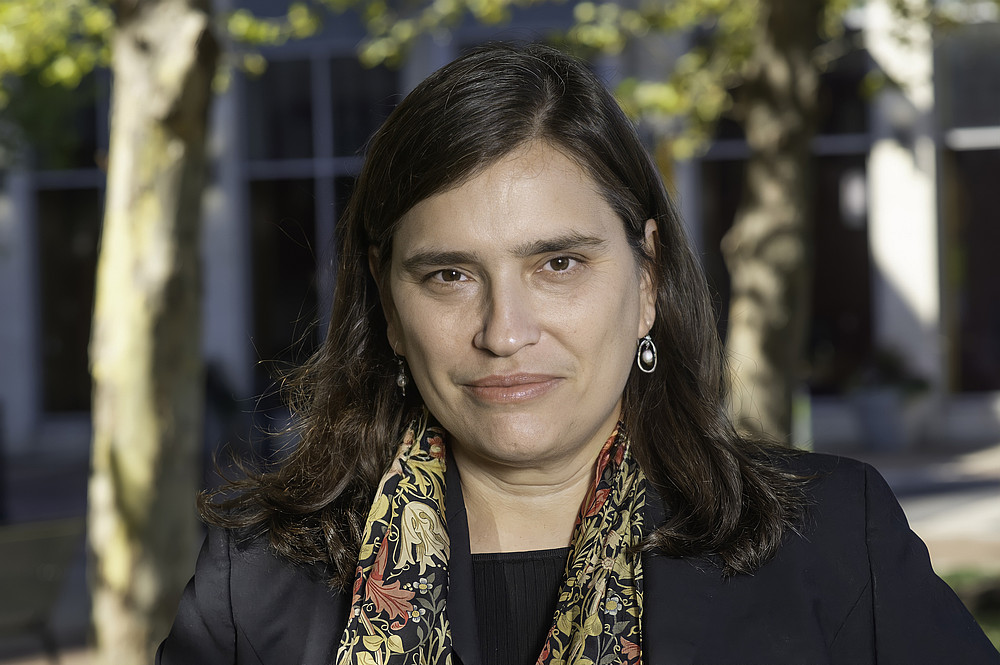
Foto Joanne Gottesman ©Erik James Montgomery

REWI Uni Graz: Dear Joanne, welcome to Graz! How do you like the city and our faculty so far?

Joanne Gottesman: I have thoroughly enjoyed getting to know the faculty, staff, and students of the university, as well as the beautiful city of Graz.  The breadth and depth of the faculty’s expertise is impressive and my students have raised very thoughtful questions in our classroom discussions. After class, I appreciate taking walks through Graz to explore the architecture and the greenery.

You are holding a course on U.S. Immigration Law and Policy. Why did you chose this topic to focus on?

I chose to teach about U.S. Immigration Law and Policy because it is the focus of my work:  I research and write about the intersection between federal immigration law and state criminal justice and child welfare systems in the United States. Immigration law and policy provides a window into the U.S. and is a good subject matter for introducing international law students to the roles of the legislative,  executive, and judicial  branches of the U.S. government and how they function (or don’t!).

I learned that you  founded the Immigrant Justice Clinic (a student-led law office representing clients in immigration matters) at Rutgers University in 2012. Please tell us a bit more about this project and why you think it is important to involve students so early on in it!

Because we don’t have a structured apprentice system in the U.S., clinical legal education is the only way to ensure U.S. law students have an opportunity for an intensive practice experience in which they receive extensive feedback and also learn what it feels like to be fully responsible for a client’s case before they start practicing themselves.  Clinic students practice under my license and fully assume the role of an attorney.  In my clinic, law students may have the opportunity to appear in Immigration Court, State Court, or at the Asylum Office. They interview and counsel clients, conduct fact investigation and legal research, and make difficult ethical and strategic decisions.  My students almost always come away from the clinic with a deeper understanding of the impact of trauma on our clients, as well as a first-hand perspective on the failures of the U.S.  immigration system.

Last but not least: What’s next on your agenda?

After I finish writing and grading my exams, I will be traveling with my family through Southern Austria and the Slovenian Alps.  I can’t wait!  When I return to the U.S., I will get back to my client work, which I have been able to maintain from abroad thanks to all of the remote lawyering techniques we developed during the pandemic. I will also finish edits an article about some of the ways that U.S. immigration law fails to treat children as children.

Sarah Jauk

Weitere Artikel

Law from the Machine?

In ancient Greek, apò mēkhanês Theós (more well-known in Latin as "Deus ex machina") describes the way mythological figures appeared in theaters seemingly from thin air, instantly influencing the plot. Today, Artificial Intelligence might exert similar effects in legal proceedings. Students from our faculty are currently taking a deep dive into this matter in a human rights moot court competition, inter alia, in Greece - and they are doing so with great success.

Hello, Fellow: Andromachi Rina

Maritime Law doctoral researcher and EU-qualified lawyer Andromachi Rina joins us as Wirtschaftskammer Steiermark Junior Fellow this March - welcome!

Jetzt Studienplatz sichern!

Klimawandel, Künstliche Intelligenz, Krisen – geh‘ mit uns die richtig großen Themen an! Unsere Welt benötigt Ideen und Lösungen für ihre Herausforderungen – und dich als Jurist:in! Bei uns profitierst du im neuen „REWI Welcome Year“ von optimierten Strukturen für Lehrveranstaltungen und Prüfungen. Und von unserem erprobten Mentoring-Angebot sowieso. So kannst du ohne Verzögerungen studieren und bist breit aufgestellt.

Navigating Standardisation: Human Factor in Digital Transformation PhD School

Research meets European standardisation: From 3–5 and 12–13 February 2026, the HFDT Stand-EUVI PhD School at the University of Graz brought together ten doctoral researchers and post docs from physics, law, human movement sciences, psychology, molecular biosciences, and education economics to reflect on standardisation in line with European values and interests (Stand-EUVI).

Beginn des Seitenbereichs:
Zusatzinformationen:

Universität Graz
Universitätsplatz 3
8010 Graz
  • Anfahrt und Kontakt
  • Kommunikation und Öffentlichkeitsarbeit
  • Moodle
  • UNIGRAZonline
  • Impressum
  • Datenschutzerklärung
  • Cookie-Einstellungen
  • Barrierefreiheitserklärung
Wetterstation
Uni Graz

Ende dieses Seitenbereichs. Zur Übersicht der Seitenbereiche

Ende dieses Seitenbereichs. Zur Übersicht der Seitenbereiche

Beginn des Seitenbereichs:

Ende dieses Seitenbereichs. Zur Übersicht der Seitenbereiche